Kew Gardens upholstery cleaning local tips TW9
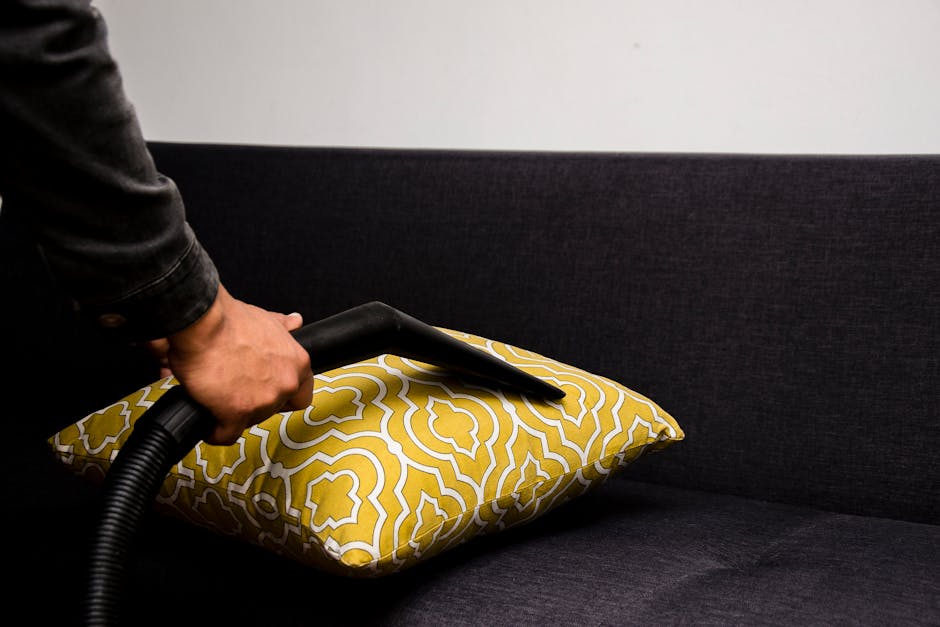
If you live in TW9 and your sofa has started looking a bit tired, you are not alone. Kew Gardens homes see plenty of everyday wear: muddy shoes after a walk, pet hair on the armrest, tea marks on a favourite chair, and dust settling into fabric faster than you'd like. The good news is that Kew Gardens upholstery cleaning local tips TW9 are usually simple, practical, and far less stressful when you know what to do first, what to avoid, and when to call in help.
This guide is built for real life in Kew Gardens, not perfect showroom furniture. You'll find local-minded advice on fabric care, stain handling, drying, service expectations, and a few small decisions that make a surprisingly big difference. If you are comparing professional help, it also helps to understand how upholstery cleaning fits alongside related services such as sofa cleaning and stain removal.
Let's face it: upholstery is one of those things you barely notice until it looks dull or starts holding onto smells. Then you notice everything. The aim here is to help you act early, choose better methods, and keep your furniture looking fresher for longer.
Why Kew Gardens upholstery cleaning local tips TW9 Matters
Kew Gardens is a lovely part of London, but the local environment has its own little challenges. Pollens, road dust, damp winter air, and busy family routines all contribute to upholstery collecting grime in ways that are easy to miss day to day. A pale armchair may still look "fine" until afternoon light hits it and suddenly, well, not so fine.
Local tips matter because upholstery is not one-size-fits-all. A velvet dining chair, a linen sofa, a synthetic office chair, and a wool-blend loveseat all react differently to water, detergent, heat, and pressure. The same treatment can refresh one fabric and damage another. That's why a local, fabric-aware approach is so useful. It keeps you from guessing.
There is also the practical side. In homes around TW9, furniture often sits in rooms that do several jobs at once: lounge, workspace, playroom, guest room. That means spills happen quickly and the fabric gets used hard. If you understand the local cleaning rhythm, you can stay ahead of buildup instead of chasing it after it becomes a problem.
Expert summary: The best upholstery care in Kew Gardens is usually a mix of quick spill response, careful fabric checks, sensible drying, and periodic professional cleaning when the furniture starts looking flat, greasy, or tired.
One small but important point: upholstered furniture also affects how a room feels. Fresh fabric changes the whole atmosphere. It smells cleaner, looks brighter, and honestly makes the room feel more looked after. That matters more than people think.
How Kew Gardens upholstery cleaning local tips TW9 Works
The basic process is straightforward, but the details are where you protect the fabric. Good upholstery cleaning usually starts with identification: what material is it, what is the stain, and how much moisture can the item safely handle? From there, the cleaner chooses the most suitable method, which may include vacuuming, pre-treatment, agitation, low-moisture extraction, spot treatment, or controlled steam-based cleaning where appropriate.
In practical terms, the job normally goes like this. First, loose dirt and grit are removed. Then stains, body oils, and traffic marks are assessed. After that, a suitable solution is applied carefully, not drenched on. The final step is extraction or wiping, followed by drying. That sounds simple, but the balance is everything. Too much water, and you can create tide marks, slow drying, or that stale damp smell nobody wants in the house.
Local tips for TW9 often focus on timing and conditions. For example, many Kew Gardens homes are better suited to cleaning on a dry day with decent airflow. Open windows help, and if you can circulate air with fans, even better. In older properties, where rooms may hold moisture a bit longer, drying strategy really matters.
If you are using a professional service, it is wise to check whether they understand both domestic upholstery and specialist items such as curtains or mattresses. That wider experience usually shows in the detail. It is also sensible to review practical information like insurance and safety and health and safety standards before inviting anyone into your home.
Key Benefits and Practical Advantages
Clean upholstery is not just about appearance. It changes how long furniture lasts, how comfortable it feels, and how much you enjoy the room. A sofa that has been properly cared for tends to keep its texture better and stay more pleasant to use. No mystery there, really.
- Better appearance: lifted pile, fresher colour, and fewer visible marks.
- Improved hygiene: less built-up dust, body oils, crumbs, and general household debris.
- Odour control: helpful if the furniture has absorbed cooking smells, pet odours, or everyday use.
- Longer lifespan: reduced fibre wear when dirt is removed before it grinds in.
- More comfortable living space: the room feels cleaner and calmer, which is a nice change on a grey Tuesday afternoon.
There is another advantage that gets overlooked: better decision-making. Once you know how upholstery responds to cleaning, you stop making rushed choices. You know when a quick spot clean is enough and when a full service makes more sense. That saves money, time, and a bit of stress too.
For landlords, homeowners, and renters in TW9, good upholstery care can also support the condition of a property between tenancies or after busy family periods. If the furniture is in a shared living room, the benefit is even more obvious. Things just stay more presentable, longer.
Who This Is For and When It Makes Sense
This advice is useful if you live in Kew Gardens and any of the following sound familiar:
- your sofa has dull patches where people sit most often;
- you've had a spill and it's dried in before you dealt with it;
- there are pets in the home and the fabric holds hair or odour;
- you are preparing for guests, a move, or end-of-tenancy checks;
- you want to maintain a nicer-looking home without replacing furniture too soon.
It also makes sense for small offices, consulting rooms, waiting areas, and furnished rentals. Fabric seating in commercial spaces can pick up marks quickly because people use them differently. Tea, shoes, coats, and briefcase corners all leave their mark. A little maintenance goes a long way.
If the upholstery is antique, delicate, or heavily textured, the stakes are higher. That does not mean you should avoid cleaning altogether, but it does mean you need to be more cautious. In those cases, a gentle, fabric-specific approach is usually the smart move.
Truth be told, if you are unsure about the fabric type, that alone is a sign to slow down rather than improvise with whatever spray happens to be under the sink.
Step-by-Step Guidance
Here's a simple, sensible sequence for upholstery care in TW9. It works for most common household situations and helps you avoid the classic mistakes.
- Check the care label. Look for cleaning codes or manufacturer guidance before using any product.
- Vacuum thoroughly. Use a soft brush attachment and get into seams, corners, and under cushions. Grit acts like sandpaper over time.
- Test a hidden patch. Try any cleaner on a discreet area first, especially on natural fibres or darker dyes.
- Treat the stain gently. Dab, don't scrub. Blot from the outside in to avoid spreading the mark.
- Use controlled moisture. More is not better here. Light application is usually safer than soaking the fabric.
- Extract or wipe clean. Remove residue carefully so it doesn't attract more dirt later.
- Dry properly. Improve airflow, open windows where appropriate, and avoid sitting on the furniture too soon.
- Inspect once dry. Check for rings, patchiness, or lingering odour before calling it done.
A quick real-world example: a milk spill on a fabric armchair at 8 p.m. may look tiny, but if it is left overnight, it can sink deeper into the padding and become much harder to fully remove. Clean it promptly, and you usually have a much better chance. Simple, but very true.
If you are booking professional support, it helps to compare service pages carefully. A good starting point is the main upholstery cleaning service, and if your concern is more specific, you might also review pet stain and odour removal or sofa cleaning.
Expert Tips for Better Results
Small habits make a big difference. In our experience, people often assume upholstery care is all about the deep clean, but the real gains come from what happens between cleans.
- Vacuum weekly if the furniture is used daily. It prevents grit from settling deep into fibres.
- Rotate and flip cushions. That evens out wear and stops one side from flattening too quickly.
- Act fast on spills. The first five minutes matter more than people expect.
- Keep fabric away from over-wet cleaning products. If you can smell strong chemical residue, that is often a warning sign.
- Use airflow during drying. A room that feels a bit stuffy will slow the process, especially in cooler months.
- Watch for hidden problems. Grease around headrests, armrests, and seat fronts is easy to miss until it accumulates.
Here's a small but useful local tip: homes near busy streets or on ground floors can collect dust faster than you'd think. Even with windows closed, fine particles get in. That means a slightly more regular cleaning rhythm may be worth it in TW9 than in a less exposed setting. Nothing dramatic, just practical reality.
And a tiny sanity note: if a stain still looks worse after your first careful attempt, stop there. Don't "have another go" five times in a row. That is usually how a small mark becomes a large, faded mystery patch.
Common Mistakes to Avoid
The biggest upholstery cleaning errors are usually well intentioned. People want quick results, so they use more product, more water, and more rubbing. Unfortunately, fabric doesn't reward enthusiasm in that way.
- Scrubbing too hard: this can distort fibres and spread stains.
- Using the wrong cleaner: some fabrics react badly to strong detergents or solvents.
- Over-wetting cushions: moisture can move into the padding and take ages to dry.
- Ignoring the care label: it's boring, yes, but it matters.
- Cleaning only the stain: spot cleaning without blending can leave a noticeable patch.
- Skipping drying time: putting cushions back too early traps moisture.
Another mistake is not thinking about the full room context. If the sofa sits beneath a window, near a radiator, or in a room used for drying laundry, the fabric can pick up extra moisture or temperature stress. That changes how you should clean it. Not by a lot, maybe, but enough to notice over time.
If you are arranging professional cleaning, check the provider's service terms and payment process in advance. Pages like payment and security and terms and conditions can help set expectations before anyone turns up with equipment.
Tools, Resources and Recommendations
You do not need a cupboard full of gadgets to look after upholstery well. A few dependable basics are usually enough.
| Tool or resource | What it helps with | Why it matters |
|---|---|---|
| Vacuum with upholstery attachment | Dust, crumbs, pet hair | Prevents grit from settling into the weave |
| Microfibre cloths | Light blotting and residue removal | Useful for gentle cleaning without heavy abrasion |
| Soft brush | Surface agitation on suitable fabrics | Helps lift soil without being too harsh |
| Fabric-safe spot cleaner | Fresh spills and isolated marks | Should match the fabric and stain type |
| Good airflow | Drying after cleaning | Reduces dampness and lingering smell |
For larger jobs, professional equipment can make a real difference because it controls moisture better and can remove more residue in one pass. That is especially useful on sofas and armchairs that have been cleaned poorly in the past and now hold old detergent build-up.
If you are comparing service quality, it may help to read more about the company behind the work, including about us and recycling and sustainability. Those pages can give a bit more context on how the business operates and what it values. For some people, that matters nearly as much as the price.
Law, Compliance, Standards, or Best Practice
For domestic upholstery cleaning, there is not usually a special legal process that homeowners need to follow just to clean a sofa. But there are still sensible UK best practices worth respecting, especially where chemicals, electricity, water, and customer property are involved.
If a professional cleaner is coming into your home or workplace, you should expect them to operate safely, explain limitations clearly, and avoid making inflated promises. That means sensible handling of equipment, care around electrical sockets, attention to slip risks from damp flooring, and reasonable caution around delicate materials.
Best practice also means honest fabric assessment. A decent cleaner should be comfortable saying, "This item is risky" or "That stain may lighten but not fully disappear." That is a good sign, not a weak one. Truth be told, careful honesty is usually more valuable than big promises.
Where relevant, check that service information covers safety, insurance, and privacy. If you are sharing access details or booking information, it is sensible to know how your details are handled. The website's privacy policy can help with that. For service complaints or feedback processes, there is also a published complaints procedure, which is a useful trust signal in itself.
Options, Methods, or Comparison Table
Different upholstery situations call for different approaches. Here's a simple comparison to help you think clearly before you start.
| Method | Best for | Pros | Watch-outs |
|---|---|---|---|
| Vacuuming and maintenance | Weekly upkeep, dust, pet hair | Fast, low-risk, easy to repeat | Won't remove set stains or deep soil |
| Light spot cleaning | Fresh spills and isolated marks | Quick, cost-effective, convenient | Can leave rings if done badly |
| Low-moisture professional cleaning | General refresh, moderate soil | Controlled, usually safer for many fabrics | Needs proper drying and fabric matching |
| Deep upholstery cleaning | Heavily used sofas, older seating, odours | More thorough soil removal | May take longer to dry |
If you are unsure which method suits your furniture, start with the least aggressive option that still makes sense. That's the rule, really. Escalate only when needed. A velvet chair doesn't deserve a heroic experiment with a steam machine just because it's there.
For related areas of home care, some households also compare upholstery work with curtain cleaning or mattress cleaning, especially when they want the whole room to feel fresher rather than just one item.
Case Study or Real-World Example
Here's a realistic TW9-style scenario. A family in Kew Gardens has a two-seater fabric sofa in a living room used every day. The sofa looks fine from a distance, but the seats have darkened slightly, the armrests feel a bit greasy, and there's a faint smell from takeaway nights and a dog who likes to nap on the corner cushion.
Instead of trying a heavy cleaner straight away, they vacuum thoroughly, check the fabric label, and test a hidden section with a small amount of cleaner. They then treat the visible marks carefully, improve airflow in the room, and avoid sitting on the sofa until it is fully dry. The result is not a magic transformation, but it looks cleaner, smells fresher, and the fabric feels less flat.
A professional follow-up may be sensible if the odour has reached deeper into the padding, or if the marks keep returning. In that sort of situation, an item-specific service such as pet stain odour removal can be more appropriate than generic cleaning alone. It is all about matching the method to the problem.
What's the lesson? Early action and gentle technique often do more good than a dramatic rescue attempt after months of buildup. A bit dull, maybe. But effective.
Practical Checklist
Use this before and after upholstery cleaning in Kew Gardens.
- Check the care label or manufacturer guidance.
- Vacuum cushions, seams, and under-seat areas.
- Identify the stain type before applying any product.
- Test cleaners on a hidden patch first.
- Blot spills instead of rubbing them.
- Use only the amount of moisture the fabric can handle.
- Improve airflow while the item dries.
- Avoid sitting on the furniture too early.
- Inspect for rings, odour, or patchiness once dry.
- Book professional help if the fabric is delicate, the stain is old, or the item has persistent smell.
One-line reminder: gentle, patient, and consistent usually beats rushed and aggressive.
Get a free quote today and see how much you can save.
Conclusion
Good upholstery care in Kew Gardens is mostly about judgement. Know your fabric, move quickly on spills, keep moisture under control, and don't overcomplicate things when a careful routine will do. The more you understand the local reality of TW9 homes and how everyday life affects furniture, the easier it becomes to keep your upholstery looking respectable without fuss.
If your sofa, chairs, or dining upholstery are due for a proper refresh, the smartest next step is to compare the service details, check safety and trust information, and choose the approach that suits the fabric rather than just the stain. That bit matters. It always does.
And if you've been staring at one stubborn mark for weeks, don't worry too much. We've all got that one patch of furniture that refuses to play nice. The good news is, with the right approach, most upholstery can bounce back better than you expect.
Frequently Asked Questions
How often should upholstery be cleaned in Kew Gardens?
It depends on use. A lightly used room may only need periodic cleaning, while a busy family sofa or pet-friendly home often benefits from more regular maintenance. Weekly vacuuming and prompt spill treatment help stretch the time between deeper cleans.
Is steam cleaning safe for all upholstery fabrics?
No, not all fabrics suit steam cleaning. Some materials react badly to heat or excess moisture. Always check the care label first, and if there is any doubt, use a fabric-appropriate method instead of guessing. That saves a lot of trouble.
What is the best way to remove a fresh stain from a sofa?
Blot it gently with a clean cloth, work from the outside in, and avoid scrubbing. Use the smallest amount of suitable cleaner possible, then dry the area properly. Fresh stains are much easier to handle than old ones, so timing matters.
Can I clean upholstery myself or should I book a professional?
Light maintenance is often manageable at home. For delicate fabrics, large stained areas, lingering odours, or older furniture, professional cleaning is usually the safer option. If the item matters to you, being careful is worth it.
Why does my upholstery look worse after I cleaned it?
This often happens when too much water or product was used, leaving rings, residue, or uneven drying. It can also happen if the fabric pile has been disturbed. A proper re-clean or corrective treatment may be needed.
How long does upholstery take to dry?
Drying time varies by fabric, room temperature, airflow, and how much moisture was used. Good ventilation helps a lot. If the room feels cool and still, drying usually takes longer, especially in winter.
Does upholstery cleaning remove pet odours?
Sometimes, yes, but not always completely if the smell has soaked into the padding. Surface cleaning helps with light odours, while deeper smells may need more targeted treatment. Pet hair should be removed first for best results.
What should I ask before booking an upholstery cleaner?
Ask about fabric knowledge, cleaning methods, drying expectations, safety, insurance, and how they handle delicate items. It is also sensible to review pricing details in advance through the service information on the site.
Is it worth cleaning old furniture?
Often, yes. Even older sofas and chairs can look and feel much better after cleaning if the fabric is still in decent condition. It may not turn back time, but it can make a noticeable difference. Quite a bit, sometimes.
Can upholstery cleaning help with allergies?
It may help reduce dust and some common household debris trapped in fabric, which can make the room feel fresher. It is not a medical treatment, of course, but cleaner upholstery can contribute to a cleaner environment overall.
What if my sofa has a delicate or antique fabric?
Be extra cautious. Delicate fabrics often need gentler products, less moisture, and a slower approach. If the item is valuable or sentimental, professional assessment is usually the best starting point.
Where can I find more information about the company's approach?
You can review the company background through the about us page and check practical service details such as pricing and quotes. That usually gives a clearer picture before you decide.