Stain Removal in Everyday Life: Practical Methods for Cleaner Fabrics, Surfaces, and Upholstery
Stain removal is one of those household topics that never goes out of style. Whether you are dealing with a coffee spill on a shirt, grease on a kitchen counter, ink on a desk, or pet mess on a rug, knowing the right stain removal method can save time, money, and frustration. The best results come from acting quickly, choosing the right cleaning approach, and understanding how different materials respond to different treatments.
Modern stain removal is not just about scrubbing harder. In fact, aggressive cleaning often makes the problem worse by spreading the stain or setting it deeper into fibers. Instead, smart stain removal relies on identifying the stain type, testing products safely, and using the right sequence of blotting, rinsing, treating, and drying. This approach helps protect clothing, furniture, flooring, and delicate surfaces while improving the chances of full stain removal.
From everyday laundry emergencies to hard-to-clean upholstery marks, stain removal can feel overwhelming when you do not know where to begin. The good news is that most stains can be treated successfully with simple methods, common household ingredients, and a few professional techniques. In this article, we will explore the essentials of stain removal, common stain types, step-by-step solutions, and practical tips that make cleaning easier for busy households and workplaces alike.
Understanding the Basics of Stain Removal
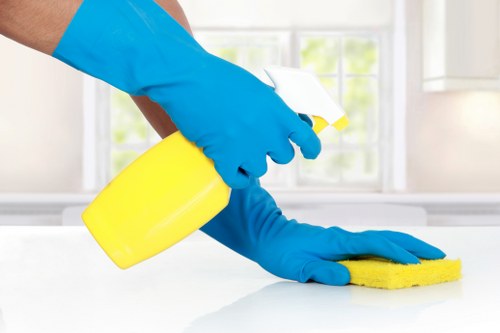
Effective stain removal starts with one simple rule: act fast. Fresh stains are much easier to remove than old, dried-in stains because they have not yet bonded deeply to the material. Once a stain has time to settle, it often becomes more difficult to lift, especially from absorbent fabrics such as cotton, wool, or upholstery.
The first step in stain removal is always to identify what caused the mark. A food stain, oil stain, dye stain, and protein-based stain all require different treatments. Using the wrong method can make the stain permanent. For example, hot water may help remove some stains, but it can also set protein stains like blood or egg. This is why stain removal works best when you understand the stain before applying any cleaner.
Another important factor is the surface itself. Stain removal on clothing is different from stain removal on carpets, mattresses, wood, tile, or painted walls. Each material reacts differently to water, soap, vinegar, bleach, and commercial products. Before treating any stain, check the care label, test a hidden area, and choose a method that is safe for the surface.
Common Types of Stains and How They Behave

Not all stains are created equal. Some are water-based, some are oily, and some contain pigments that cling tightly to fibers. Understanding stain types improves stain removal results and helps you avoid damage. Here are the most common categories.
1. Food and beverage stains
Spills from coffee, tea, wine, juice, sauces, and soups are among the most frequent cleaning challenges. These stains often contain colorants, sugars, acids, or tannins. The sooner you begin stain removal, the easier it is to prevent discoloration.
2. Oil and grease stains
Grease from cooking, lotions, cosmetics, machine oil, and salad dressing tends to repel plain water. Stain removal for oily marks usually requires dish soap, absorbent powder, or a degreasing agent to break down the residue.
3. Protein stains
Blood, sweat, milk, egg, and similar organic stains are protein-based. These can bind tightly if exposed to heat, so stain removal for protein stains should begin with cool water and gentle treatment.
4. Dye and ink stains
Ink, marker, fabric dye, and some beverage stains can be especially stubborn. Stain removal often requires alcohol-based solutions, careful blotting, and multiple treatment rounds.
Step-by-Step Stain Removal Methods for Everyday Spills
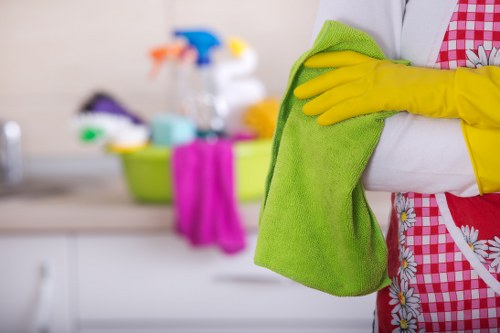
Successful stain removal is usually a process, not a single action. Following the correct steps helps prevent spreading and protects the surface. Below is a practical method that works for many common household stains.
General stain removal steps
- Blot immediately with a clean cloth or paper towel to absorb excess liquid.
- Avoid rubbing, since rubbing pushes the stain deeper into fibers.
- Test the cleaner on a hidden area first.
- Apply a suitable solution based on the stain type.
- Let it sit briefly if needed, but do not allow it to dry on the surface.
- Rinse or wipe clean to remove residue.
- Repeat if necessary until the stain lightens or disappears.
For many fabric stains, a combination of water, mild detergent, and gentle blotting is enough. For tougher problems, stain removal may require baking soda, vinegar, hydrogen peroxide, rubbing alcohol, or a specialized cleaner. The key is to use the least aggressive solution first and increase strength only if needed.
Important: Never mix cleaning products unless the label says it is safe. Combining chemicals can create harmful fumes or damage the surface, which can turn a simple stain removal job into a bigger problem.
Stain Removal for Clothing and Laundry
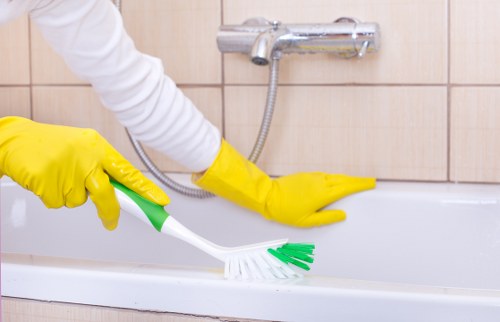
Clothing is one of the most common places where stain removal matters. Shirts, pants, dresses, uniforms, and activewear are exposed to food, dirt, sweat, makeup, grass, and many other stains every day. Because fabrics vary widely, stain removal should be tailored to the garment type and stain source.
Food and drink stains on clothing
For coffee, tea, soda, and juice, blot the excess and rinse the back of the fabric with cool water. Then apply liquid laundry detergent or a small amount of dish soap directly to the spot. Gently rub the fabric against itself or use a soft brush, then launder according to the care label. Before drying, check that the stain is gone, because heat can set it permanently.
Grease stains on clothing
Oil and grease require a different stain removal strategy. Sprinkle cornstarch or baking soda on the stain to absorb excess oil, then brush it off after several minutes. Follow with dish soap, which helps break down the grease. Wash in the warmest water safe for the fabric, but only after the stain has been treated properly.
Ink stains on clothing
Ink stain removal can be tricky, but is often possible if handled carefully. Place a clean towel under the stained area, dab with rubbing alcohol using a cotton pad, and blot until the ink transfers. Replace the towel as needed. Once the stain begins to lift, wash the garment. Patience matters here, because repeated blotting is usually more effective than scrubbing.
When to avoid heat
Heat is one of the biggest enemies of successful stain removal in laundry. Tumble drying or ironing a stained garment can lock the mark into the fibers. Always inspect clothes after washing and before drying. If any trace remains, repeat stain removal steps instead of exposing the item to heat.
Stain Removal on Carpets, Rugs, and Upholstery
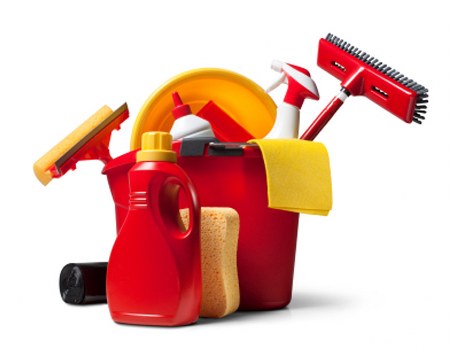
Carpet and upholstery stain removal requires extra care because these materials absorb liquids quickly and can be damaged by over-wetting. The goal is to clean the stain without soaking the padding or weakening the fibers. A measured approach gives the best chance of full stain removal while preserving the look and texture of the item.
How to treat fresh carpet stains
Start by blotting with a dry white cloth to absorb as much of the spill as possible. Mix a small amount of mild dish soap with warm water, then dab the area with a clean cloth. Work from the outside of the stain inward to prevent spreading. Continue blotting with clean water to remove soap residue, then dry with a towel.
Upholstery stain removal tips
Furniture fabrics are often delicate, so stain removal should be done gently. Use minimal liquid and avoid over-saturating cushions. For food or beverage stains, blot first, then treat with a mild detergent solution. For greasy marks, use a small amount of dish soap or an upholstery-safe cleaner. If the stain is on a removable cover, check the care instructions before washing.
Dealing with odors and residue
Some stains leave behind odor even after visible marks are gone. In those cases, stain removal may need an extra deodorizing step. Baking soda can help neutralize smells on carpets and upholstery when left on the area for several hours before vacuuming. This is especially helpful for pet-related stain removal and food spills.
Stain Removal for Hard Surfaces
Hard surfaces such as counters, tile, sinks, glass, stainless steel, and sealed wood are usually easier to clean than fabric, but stain removal still needs the right product and technique. Using too much force can scratch the surface, while using the wrong chemical may discolor it.
Kitchen and bathroom surfaces
For countertops and sinks, most everyday stains can be handled with mild soap and water. For mineral marks, coffee rings, or soap scum, vinegar can sometimes help on compatible surfaces. However, avoid vinegar on natural stone like marble or granite unless the product is specifically safe for it. Stain removal on stone should be done with pH-neutral cleaners designed for that material.
Wood and laminate surfaces
Wood can be vulnerable to water damage, so stain removal should be quick and controlled. Wipe spills immediately and dry thoroughly. For darker marks on sealed wood, a mild cleaning paste or a manufacturer-approved cleaner may help. Laminate surfaces are more forgiving, but standing moisture should still be avoided.
Glass and stainless steel
Glass stain removal is often about removing residue and streaks rather than deep discoloration. A vinegar-and-water solution or glass cleaner usually works well. Stainless steel can show fingerprints, water spots, and splashes, so wipe in the direction of the grain for the best finish. Gentle wiping is often more effective than repeated scrubbing.
Natural and DIY Stain Removal Solutions
Many people prefer natural stain removal methods because they are affordable, accessible, and often effective for everyday messes. While not every stain responds to DIY solutions, several household ingredients can deliver impressive results when used correctly.
Baking soda
Baking soda is useful for absorbing oils, lifting mild stains, and reducing odor. It can be made into a paste with water for spot treatment or sprinkled on carpets and upholstery before vacuuming. In stain removal, baking soda is especially valuable for greasy or smelly messes.
White vinegar
White vinegar is often used for stain removal on washable surfaces because it can help loosen residue and dissolve some mineral deposits. It is commonly mixed with water and applied to fabrics, glass, and tile. Still, it should never be used on surfaces that are sensitive to acid.
Hydrogen peroxide
Hydrogen peroxide can help with organic stains such as blood, sweat, and some food marks. It should be used carefully, since it may lighten certain fabrics. Always test it first. In stain removal, a little restraint goes a long way.
Simple DIY stain removal paste
You can create a basic cleaning paste by mixing baking soda with a small amount of water and a drop of dish soap. Apply it to the stain, let it sit briefly, then blot or rinse. This method works well for many fabric and surface stains when used gently.
Professional Stain Removal: When to Call in Help
Some stains are too stubborn, delicate, or valuable to treat casually. Professional stain removal services are useful when the item is expensive, sentimental, antique, or made from material that requires specialist care. If you are unsure about a stain on silk, wool, suede, leather, or natural stone, expert help may prevent permanent damage.
Professional stain removal is also worth considering when a stain has already been treated incorrectly. Overuse of heat, bleach, or harsh scrubbing can worsen the mark and weaken the material. Technicians often have access to stronger but safer solutions, along with the experience to match the right product to the stain and surface.
For homeowners and property managers, professional stain removal can be especially helpful after water damage, pet incidents, or large spills. Book your service now if the stain is spreading, has an odor, or keeps returning after cleaning. In many cases, professional treatment saves an item that would otherwise be discarded.
Stain Removal Mistakes to Avoid
Even with the best intentions, common mistakes can reduce your chances of successful stain removal. Avoiding these errors will make your cleaning routine more effective and less stressful.
- Rubbing instead of blotting can push the stain deeper and damage fibers.
- Using hot water too early may set protein-based stains.
- Applying too much product can leave residue and attract more dirt.
- Skipping the patch test can lead to fading or discoloration.
- Drying too soon may make the stain permanent.
- Mixing cleaners can create unsafe reactions.
Smart stain removal is often about what you do not do. A calm, careful approach is more effective than aggressive scrubbing and guesswork.
Preventing Stains Before They Happen
Although stain removal is important, prevention is even better. Small habits can dramatically reduce the number of spills and marks that need treatment. In busy homes, workplaces, and rental properties, prevention is a practical way to save time and maintain a cleaner environment.
Simple prevention tips
- Use coasters, placemats, and tray liners under drinks and food.
- Clean spills immediately before they have time to settle.
- Apply fabric protectors to upholstery and rugs when appropriate.
- Keep stain-safe cleaning products nearby for quick response.
- Read garment care labels before washing or treating stains.
- Regularly vacuum carpets to remove dirt that can trap stains.
Prevention does not eliminate the need for stain removal, but it often reduces the severity of the problem. When stains do happen, your response time is faster because you already have a plan and the right supplies on hand.
Building a Reliable Stain Removal Routine
A reliable stain removal routine is simple, consistent, and easy to follow. Keep a small cleaning kit stocked with white cloths, mild detergent, baking soda, vinegar, a soft brush, and a stain remover suitable for fabrics. Store these items where they are easy to reach so you can respond quickly to accidents.
You can also create a stain removal plan for different spaces in your home. For example, laundry stains may require detergent and pre-treatment spray, while kitchen stains may need dish soap and degreaser. Carpet and upholstery stains may need absorbent cloths and spot-cleaning solutions. Having a plan reduces stress and improves results.
Consistency matters. The more often you use the same careful process, the more confident you will become. Over time, stain removal becomes less of an emergency and more of a routine part of maintaining a clean home or workspace.
Final thoughts
Stain removal is a valuable skill that helps protect the things you wear, use, and live with every day. From laundry and carpets to countertops and upholstery, the right method can make a dramatic difference. With quick action, proper product selection, and a little patience, most stains can be managed successfully.
If you are dealing with a stubborn mark that will not budge, do not wait until it gets worse. Contact us today and take the next step toward cleaner fabrics, fresher surfaces, and a more polished space. For tough messes, book your service now and let the right stain removal approach do the work.